top of page
Search

New Year, New (Growth) Mindset...

Updated: Jan 6, 2022

Happy New Year everyone! As we go into a fresh new year - what better time than now to reflect on the way we think, grow and work, and see how we can make this year all the more productive and beneficial for ourselves. Of course, this can be done on a personal level through general reflection, but if you are looking for 1 key route to unlocking extra potential for yourself this year, then working on a growth mindset is what you're looking for!

This definition is super simple at first glance, but as we explore more you'll see how much deeper a growth mindset goes...


"A growth mindset, believing that you can change and adapt in a volatile environment, is important because it makes you resilient. It makes you humble, and pragmatic and makes you look to the future. It’s the way we need to think if we – and Siemens – are to succeed and if we are to make the most of the opportunities ahead." - Ralf Thomas.


No one wakes up one day with all the skills, experience and knowledge needed for a new role, from a leadership one to a junior one - it's all about being willing to learn as you go and not being afraid of failure.


Research has shown that everyone has the ability to develop and hone leadership skills- sure some people may find it easier to step into a leadership role than others, but we all have it in us to be able to develop the skills needed. But, the key is that it takes a growth mindset to get there and unlock those skills - you have to believe you can before you actually can...


"If you think you can, or think you can't, you're right" - Henry Ford.


With a growth mindset, failure is just another way to learn something new, to better develop yourself and ultimately improve yourself. However, with the opposite, a fixed mindset, failure can mean giving up, or believing you're simply not able to do what it is you set out to achieve. But this will only hold you back - hence the name 'fixed' mindset - you get fixed in one place with no moving forwards or even sideways!


So what's the point here? Well to sum it up - rather than being stationary and fixed, we want to be flexible and growing, but how do we get that flexible mindset and act it out?


As suggested by the 'Cultivating a Growth Mindset' training on LinkedIn (link at the end), there are 4 key factors to achieving this way of thinking:


1) Acceptance - accepting past events that haven't gone so well, and accepting that you might make mistakes in the future as you continue to learn and develop. Not everything will have gone the way you wanted in the past, and we've all messed up once or twice, but we shouldn't let that hold us back from trying new things in the future!


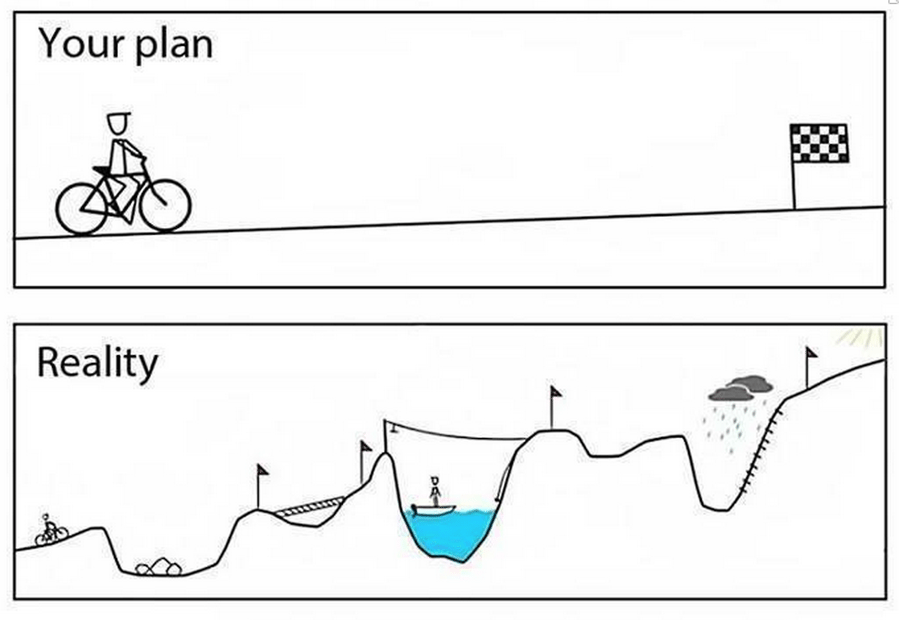
2) Clear goals, flexible plan - it's really important to set yourself goals when working with or towards a growth mindset, but its also key to be flexible with how you achieve those goals. This is important because it helps us remember that it is not likely that we will find ourselves on one straight, set in stone, path from where we are now and where we're trying to get to. Life is unpredictable, so we have to learn how to adapt when our plans take a turn. Achieving our goals can often look like the following...

3) Perspective switching - We should try and see different situations and challenges from as many different perspectives as we can, this will keep us open minded and help us to see different ways of doing things that are outside of our comfort zones. For example, maybe you usually just deal with problems yourself, but next time something doesn't go to plan you could talk to a mentor. Another example is that you might just speak to close friends or colleagues when things go wrong, but potentially think about speaking to someone you don't usually spend a lot of time around, or 100% agree with.


4) Competing demands - learning to balance competing demands, needs, desires, and life demands is really beneficial. For example, sometimes, all our energy may be focused on an important project at work. At other times, it may be focused on our family life. Sometimes you may need to be involved with projects that boost your energy, whereas other times, you may benefit from being in a calm environment.

The point around a growth mindset here is all about being able to transition between them flexibly. How easily do you shift between roles and demands?


Achieving all of this and really developing a growth mindset just takes time -its a conscious, gradual process!


If you find yourself switching between the two mindsets, with a bit of fixed here and some growth there depending on the situation you find yourself in - that's completely normal and apparently very common, so don't worry. Remember that it's also helpful for developing a fully formed growth mindset, because really you're already half way there! Once you reach that point, it's then just about how to carry your growth mindset skills into the situations you feel yourself being fixed in.


Intentionally putting yourself in situations where you know you'll face obstacles but that you'll learn something from the situation is actually a great approach for growth. You may experience some challenges and some discomfort, but you'll know there's a reason for it - to develop your long-term growth mindset!


Understanding that no experience is a waste of time, if you can take something from it, is also a key part of developing your growth mindset. Try learning as you go, trialling new ways of doing things, and viewing a growth mindset as a journey, not an end goal, and maybe doing so will help to take the pressure out of pushing yourself to grow.

And while you're on this journey its key to keep in mind that if things don't go to plan, you make a mistake, maybe you fail at your first attempt at something - that's fine!

It's a learning path, and you'll take something from that situation that will help you in the future.


Another key element to having a growth mindset is not getting stuck in the past. If you spend too much time thinking about past events and the 'should have, would have, could have, if's and but's' then you're losing and wasting energy that can be used in the present to develop your growth mindset. It's not a case of never thinking about past events, but rather reflecting on them and seeing what can be learned for the purpose of growth - not getting stuck there.


And to wrap up, here are some key things to remember on your journey to developing and maintaining a growth mindset...


💥 Your potential is expandable, changeable and pliable, you weren't born with all the skills and natural talents you'll ever have. You find and develop them with every new experience you have, so don't limit yourself! Focus on what you can do, and what you want to be able to do, have confidence in yourself see the growth.


💥 Enjoy the journey of growth and know that you are in control of how you achieve your goals. You may not know exactly how you'll grow, or when exactly it will happen - but it's up to you how you move towards your goals - the journey towards them is very much in your hands. If you don't feel in control of your future, think about what you can do to change this, for example; - Set weekly and monthly actions that will help you work towards long term goals & - Find ways to work on your confidence to empower you to be more comfortable taking action and being the one in control


💥 You can not expand your mindset without going through a period of change because the principles are about learning new skills and stretching your abilities, both of which require a change in perspective, thinking style and focus. Unfortunately, not all change is welcome. We should try and learn to accept the change and any discomfort it brings.

Try and make a conscious effort to be optimistic in the face of changes, and don't forget to seek support!


Helpful links to start off with:


Siemens Learning World growth mindset resources -


Comments


Post: Blog2_Post

07808824264

©2019 by The Life of an Intern. Proudly created with Wix.com

bottom of page